


To some extent, we are all affected by fashion: everything from the cars we drive to the furniture we buy is subject to the latest trends in design. But its most personal aspect is reflected in the clothes we wear. In this sense, we are constantly surrounded by it. From the stylish catwalks with very thin models to brand names like Dior, Armani, Pierre Cardin, Yves St Laurent, we are all familiar with the trappings of high end fashion.
Consequently, a book about a group of upper middle class intellectuals from more than a century ago might seem an unlikely topic for the history of fashion. However, fashion trends and innovators existed well before the hype of brand names and multi-million dollar fashion houses.
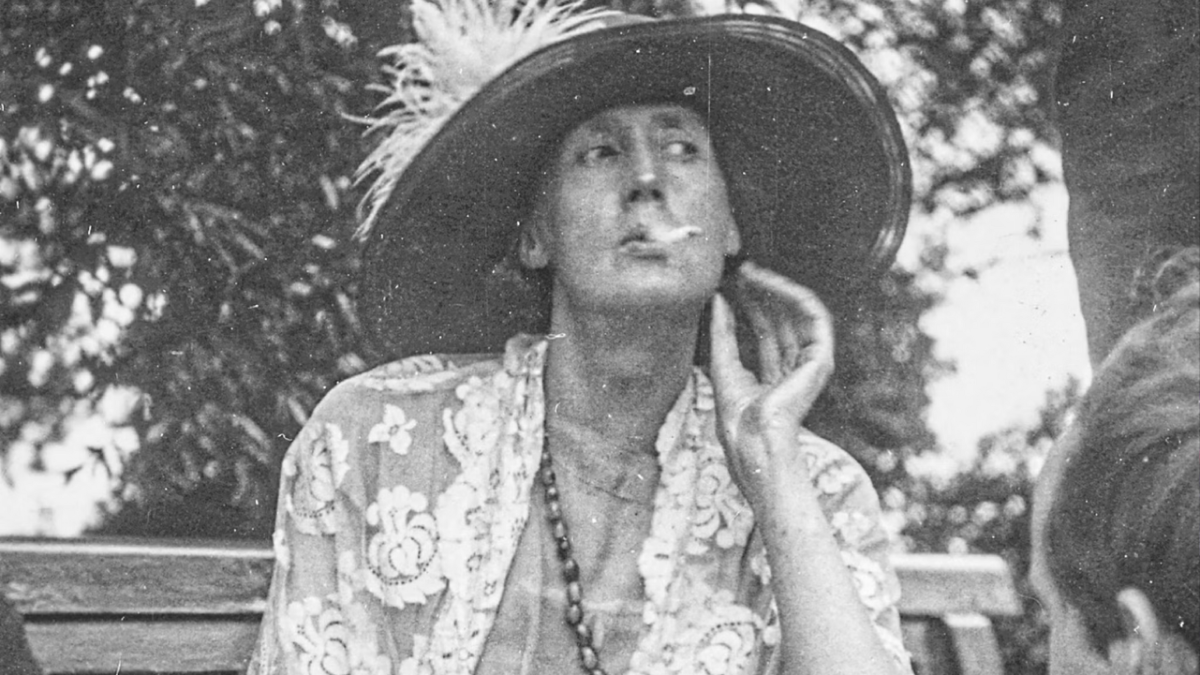
Bring No Clothes by Charles Porter is a study of fashion within a specific context: how it began to change from the rigid dictates of Victorianism to slightly more liberating practices in the early decades of the twentieth century. It explores these changes by focusing on individuals associated with the elite group of intellectuals known as the Bloomsbury Group. This collection of painters, writers and philosophers pushed the boundaries of conformity and introduced novel innovations into their respective fields. Parallel to their more famous innovations in painting, literature, social policy and human rights were their not-so-obvious innovations in fashion.

‘Bring No Clothes: Bloomsbury and the Philosophy of Fashion’ by Charlie Porter. Particular Books, London, 2023.
Period dramas like Downton Abbey have made us aware of the once very rigid British class system comprising the ‘Haves’ (aristocrats, landed gentry, etc) and the ‘Have-Nots’ (usually their servants and various other employees). The former are always distinguished by their luxurious lifestyles, fine manners, posh accents and above all their clothes: sartorial etiquette is the prime signifier of this division.
This was an age when the ‘Haves’ dressed for dinner before going downstairs to dine with their peers. They didn’t just dress for dinner; it was common for the well-to-do to change clothes a few times a day – not just for dinner. The title alludes to the fact that the middle classes when travelling or visiting their peers would need to bring more than one change of clothes like day wear, ‘clothes for dinner’, etc. Among less formal, more innovative Bloomsbury set, this tradition gradually lost favour. As champions of individuality and freedom, it is not surprising that they dispensed with this sartorial practice.
Among its themes, the book highlights how clothes were markers of social divisions, not only of wealth and class but also of the roles of the sexes. For example, women’s clothing for centuries was restrictive indicative of their inferior social status. The most significant example of this constraint was the corset – a device which literally squeezed them into a socially acceptable shape. Unsurprisingly, the women of the Bloomsbury set dispensed with this garment early on.

Members of the Bloomsbury Group.
Conversely, male attire did not have such restrictions. Men did not need to conform to a predetermined physical ideal. One particular item became symbolic of their power and status. The suit has become such an aspect of male privilege that it is taken for granted as a symbol of male authority. The author effectively illustrates this point in his analysis of male attire when he states: “Male clothing is so entrenched in set ways of patriarchal thinking, it is not questioned… Men in political power wear suits. The suit plays a key role in consolidating and signalling power. It has been the uniform of male authority for so long, we are supposed to acquiesce to its wearer’s claims to power.” (P177). Thus trends set over a century ago, particularly in male attire, still apply.
It is interesting that whenever male politicians are on offical business they always wear suits of neutral usually dark colours like blue, grey, black, brown. One never sees them in anything like lemon yellow or magenta. And heaven forbid that one be seen in pale mauve or anything approaching pink!
In the context of the Bloomsbury set, this study provides an intellectual analysis of clothes during the first part of the twentieth century. We become intimate with some of these individuals as the author examines specific articles of their clothing. However, this book is not a highbrow academic piece. The author includes his attempts at making his own clothes. In addition there is a chapter on what the servants of some the Bloomsbury set wore – an area often overlooked by fashion historians who tend to focus on the more privileged sectors of society.
Bring No Clothes is an imaginative and unusual work on a contemporary topic and how it has changed with society over the first part of the twentieth century. Its final chapter illustrates how some ideas from the Bloomsbury era have found their way into contemporary high fashion. Citing a fashion show from 2019, he illustrates how designers drew inspiration specifically from the one of Virginia Woolf’s most famous fictional characters: Orlando. Designers created clothing reflecting freedom from gender restrictions mirroring the character in the original novel who physically changes from male to female.
In analysing the complex relationship between clothes and social mores, trends and conventions, a quote from the novel ‘Orlando’ itself seems relevant: ‘the clothes wears us not we them.’ – a reflection of the constant interplay between us and our environment.
Bring No Clothes looks at fashion beyond the glitz and glamour and examines it in a broader sociological context including feminism, racism and queer rights. As one would expect from a book on fashion, each chapter is illustrated by many relevant and rare photos. Anyone with even the slightest interest in fashion or its history will find it both informative and entertaining learning all sorts of fashion facts – from the trivial to the significant.