


When Dr Who premiered on BBC TV in November 1963, no one could have predicted the legendary status it would attain. From its initial debut, it would run continuously for several seasons until 1989 making it the longest running science fiction series in television history. (Listed as such in the Guinness Book of Records no less). After a hiatus of 16 years, it was resurrected in 2005, with a new production team and a significantly larger budget. In 2022 it was sold to Disney+, a pay TV channel.
Written by journalist John Higgs, this work is thoroughly researched with a list of references for every chapter as well as an index making it the latest, in-depth analysis of this sci-fi phenomenon. While there have been previous books about this series, most have been anthologies about the various episodes, alien characters and lead actors. This book incorporates all these elements into a history of the series itself including the ‘behind-the-scenes’ machinations and the main players of the production team.
Although the central characters – from leads to companions – are all covered, they are part of a much broader picture, specifically all the intrigues and pressures that went into the creation, maintenance and eventual resurrection of this series. Nevertheless, we still learn all sorts of trivia about the leads. (For example, we discover the fourth doctor Tom Baker spent time as a novice in a monastery during his youth). All these little snippets reflect the evolution of this fictional character – one who changes into a completely different person every so often.
As a science fiction series, Dr Who was unusual and innovative in a number of ways: it was the first to deal with time travel as a core aspect of its theme; secondly it was remarkable for what it did not reveal or explain until many episodes and sometimes years later. For example, it was not until about three years after its debut that viewers finally learnt who and what this myserteous character was: an alien from a distant planet and not your average alien but a ‘Time Lord’ no less.
The show’s original production team were a diverse group in terms of nationality and, in some ways, television pioneers. For example, the show’s first producer Verity Lambert was the BBC’s only female drama producer at the time and the first director Waris Hussein was a gay man of Indian ethnicity. This diversity possibly contributed to its more unconventional even quirky aspects.

‘Exterminate! Regenerate! The Story of Doctor Who’ by John Higgs. Weidenfeld & Nicolson, London, 2025.
The 2005 reboot resulted not only in more impressive production values, the stories themselves became more sophisticated thanks to a new generation of writers and directors. The fact that the original series did not disclose much about this mysterious doctor meant that details could be revealed in much later episodes. Furthermore, these facts could be so ambiguous as to lead to more speculation later on. For example, recent episodes have speculated and even questioned his/her specific alien origins. While the future is unpredictable, a unique aspect of this series is that not even the past remains unalterable.
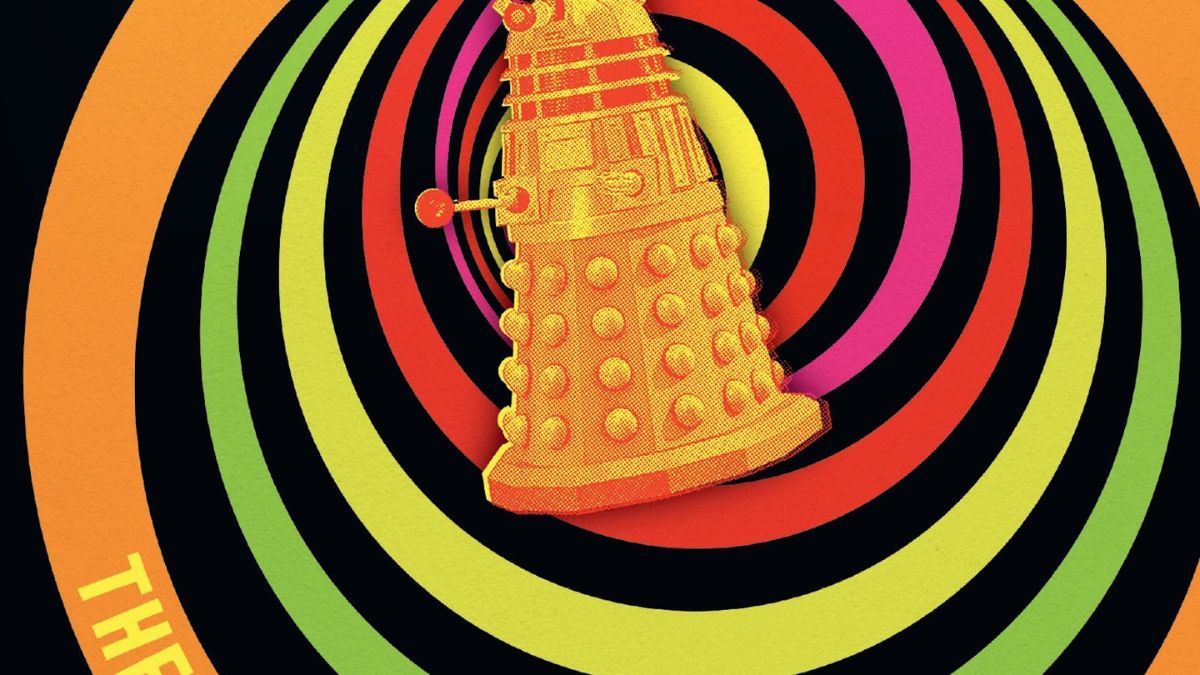
Such speculations add to the Dr Who mystique. Whether these questions will ever be answered remains to be seen. What is certain is that decades on, Dr Who has enhanced the science fiction repertoire: terms such as ‘Dalek’ and ‘Tardis’ have become part of the sci-fi lexicon – impressive for a show that was nearly cancelled after its first airing.
John Higgs’ detailed study explores the significant factors and individuals who created a seemingly ‘timeless’ series centred around one of sci-fi’s most eccentric (and, via ‘regeneration’) ever-changeable characters. Given its impressive longevity, a detailed history of this TV phenomenon was long overdue.
Recommended reading for sci-fi nerds, especially Whovians.