


It is only in the past few decades that queer people have been able to come out in numbers significant enough to register on the public consciousness. Therefore it is no surprise that in previous centuries when homophobia and transphobia were much more prevalent, they are largely absent from the historical record.
Anthony Delaney’s book is both revelatory and unique: it illustrates how the queer presence is largely airbrushed from history but also partially rectifies this imbalance by presenting case studies from the period of the 18th to the mid-19th century – long before the advent of Gay Liberation and queer rights advocacy. As such, it is not just history but restorative history.
At a time when any overt expression of their orientation resulted in social ostracism and criminal prosecution, anonymity was the safest option for LGBTIQ individuals. Despite the severe legal and societal restrictions, there were still queer subcultures – discrete enclaves where queer people could congregate such as the molly houses of eighteenth century Britain.

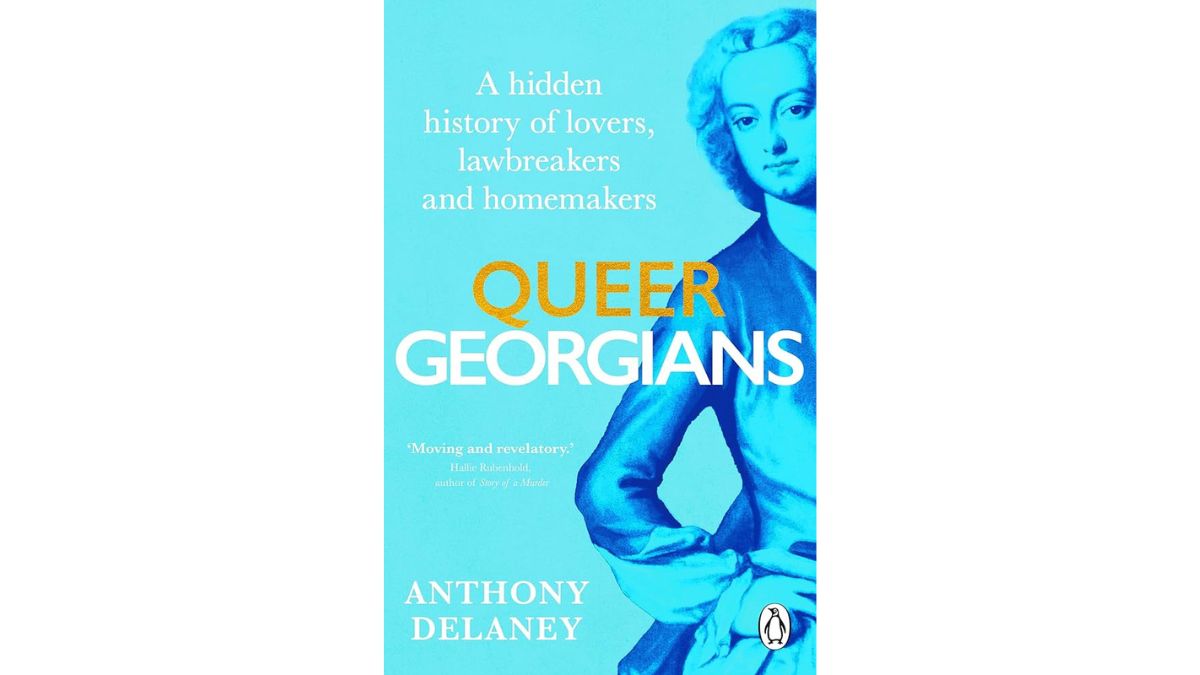
‘Queer Georgians: A Hidden History of Lovers, Lawbreakers and Homemakers’ by Anthony Delaney. Penguin Random House, London, 2025.
Piecing together the clues from a range of archival material, the author has been able to reconstruct the stories of a diverse selection of queer individuals. A few are known to history such as diarist Anne Lister (thanks to the BBC-HBO drama series ‘Gentleman Jack’).
However, most of the people discussed are largely forgotten. Many are on the public record for having fallen foul of their contemporary legal system (like Gabriel Lawrence publicly executed in the eighteenth century for having had gay sex).
The author proves to be both a dedicated academic and competent investigator to excavate what has been so deeply buried. After ploughing through all sorts of archives, he documents some intriguing case studies on gay, lesbian, transgender and even intersex individuals of nearly two centuries ago.
Like an archaeologist excavating ancient ruins, Delaney uncovers individual lives long hidden from public view. As with conventional archaeology, what he uncovers is only the tip of a very large iceberg. Reading the various case histories, we feel like we are peeping through a keyhole into a room of not one but many clandestine subcultures.
This work is not a dull academic tome nor a dry lesson in history but a glimpse into the lives of gender- and sexuality-diverse individuals who otherwise would be completely forgotten. Successive chapters depict them not as freaks or caricatures but as real people from all sectors of society – from the sexually adventurous aristocrats of Great Britain to transgender sex workers on the streets of Manhattan.
Centuries after they passed into obscurity, they can now emerge from the closet thanks to this thoroughly researched study.