


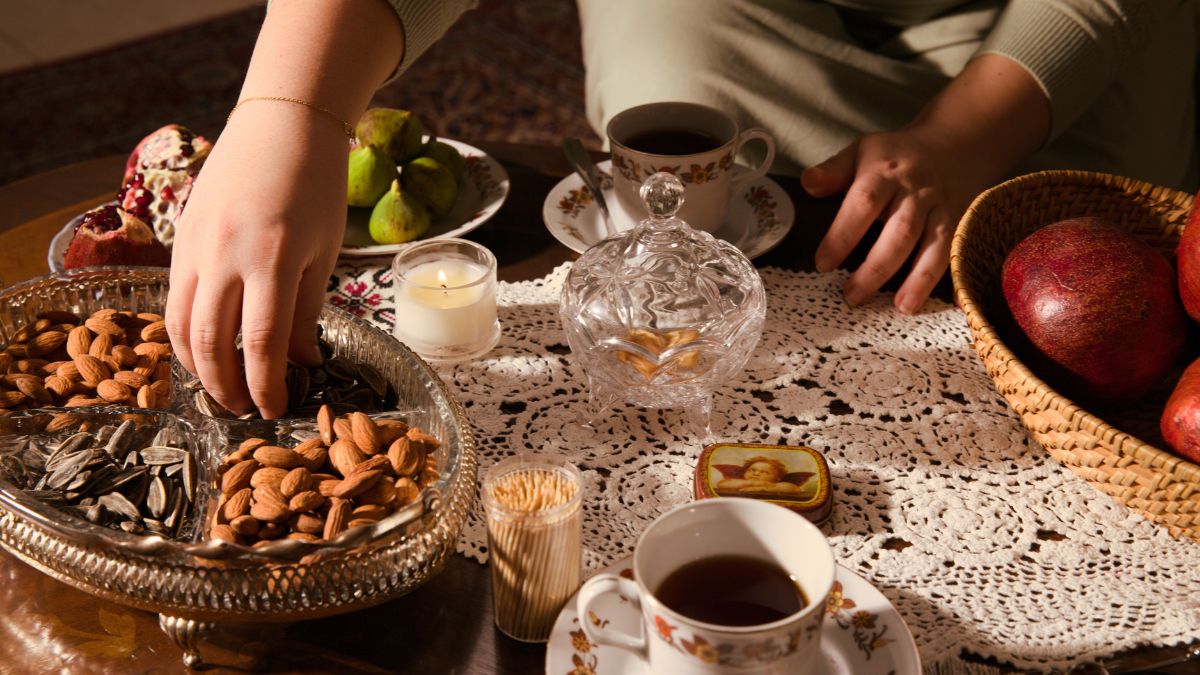
Dinner and a show are usually two separate events, but in ملعقة (mil-aa-qa), writer and performer Jude Soussan brings them together in a single, immersive experience. Audiences will both literally and figuratively get a taste of Jude’s Lebanese culture, alongside her experience as a coeliac, navigating the health challenges that have shaped her connection to that culture. This unique work is now playing at the Blue Room Theatre, and I spoke with Jude all about it.
This show draws deeply on your Lebanese heritage as well as your experience living with coeliac disease. When did it first occur to you that these parts of your identity could come together on stage?
While studying at Curtin University, I was often tasked with conceptualising ideas for shows. In my second year, it finally dawned on me that I could write about my personal experiences and combine with it my love of theatre and performance. I love performing, but I also have a great love for cooking. I often watch cooking videos or find fascination watching someone cook. I wondered what it might look like to combine my two loves, as well as sharing my own personal experiences, and so 7Spice was born, the very first version of this show, which was then developed into ملعقة) mil-aa-qa) in my final year at university; and is now at its third development, showcased at the Blue Room Theatre!
For those who may not be familiar, what is it like living with coeliac disease? How does it shape your day-to-day life?
You’ll hear more about it when you come to the show! It’s important for people to know that this is a mental experience just as much as it is physical. Coeliac disease is an auto-immune disease, not just a gluten allergy. It affects the whole body, not just the tummy.

Jude Soussan. Photography by Alleyne Aviles.
This show feels like it will resonate on two levels: as an educational experience for audiences unfamiliar with coeliac disease, and as a rare moment of representation for those who live with it. What is it like holding both of those audiences in mind as you write and perform?
Most of this balance comes through the character I have written and now portray, Aunty, whose character embodies some of my own personal experiences whilst serving her role as a cooking show host. She has a very expressive and humorous way of telling stories (as do most Arab Aunties) that opens audiences up to be educated about not only coeliac disease, but Lebanese culture and tradition.
As the show has developed, it has become quite important to focus on care, love and vulnerability within this character and the world she inhabits. If Aunty embodies these values, the hope is that other coeliacs attending the show will feel comforted themselves, feeling seen in the shared experience of having this disease. In turn, I have to trust in Aunty as I perform, and not only believe in the words on the page but also be open to improvising as a way for her authenticity to truly come across. When I do that, the balance becomes easy to manage.
Can we talk about the logistics of cooking a meal in the Blue Room Theatre? What challenges have you faced in bringing that element to life and has it ever been done before there?
Cooking at The Blue Room has not been done at this scale before, but to the team it was important that audiences get to share food and encourage that sense of community post-show. We ran into a few issues trying to pull it off, as you would imagine. One being the licensing of our on stage kitchen, particularly in the Blue Room context. The set goes up one week prior to performance, meaning the timeframe for a food permit was impossible.
However, we’ve had some amazing catering partners come on board, which means we’ve managed to make this dream into a reality, which is super exciting.
When it comes to the actual cooking, I honestly could cook this dish blindfolded, considering the amount of practice I have had throughout this process!

Jude Soussan. Photography by Alleyne Aviles.
You’ll be cooking one of your favourite meals during the show. How did you land on that particular recipe? Was it a difficult choice?
You can’t go wrong with fried onions! This meal was a pretty easy choice. It is not only absolutely delicious, but it is accessible, affordable and easy to make. I want audiences to go home being able to make the recipe they’ve seen onstage, so simplicity was key.
The heart of this decision though comes from the fact that it is a comfort meal.
For many people away from their home countries – certain dishes remind you of home, comfort, safety, love, joy and even community. Teaching and passing down recipes has always been a way of continuing culture and I feel honoured to be able to showcase this on stage. I hope that audiences will cook this meal for themselves or their community in the future and remember the little treasures of advice Aunty gave them.
What kind of atmosphere are you hoping to create for the audience? Beyond tasting the food, what kinds of interaction or experiences can they expect?
I hope the show feels as though you are sitting with an Aunty in her kitchen while she is cooking for you and personally speaking to you. It is warm, inviting, welcoming and educational. Expect delicious smells, some morning show-style banter and an easy-to-make recipe for you to take home.
ملعقة (mil-aa-qa) is on now at The Blue Room Theatre.